.svg)

.svg)


Choosing a CRM for an energy retailer is not the same as choosing one for any other industry. The energy market has specific operational requirements that generic CRMs often fail to cover properly: working with up-to-date supply point data (such as CUPS in Spain), selling complex tariff products, managing multiple sales channels, handling regulated contracting processes, and operating with a critical dependency on billing and consumption data.
That’s why an effective CRM in the energy sector should not be limited to managing contacts like a standard sales tool. It must support the entire customer lifecycle: acquisition, offer, contract, activation, renewals, incidents, and customer service.
In this guide, we explain what an energy CRM must solve, which features truly matter, and why a specialized solution like QUIXOTIC can make the difference.
What a CRM Must Solve in an Energy Retailer
Before comparing vendors, the most important step is defining which processes you want to improve. In the energy sector, a CRM should cover at least four critical areas.
⮕ End-to-End Sales Management
Energy retailers need full pipeline visibility: lead acquisition from campaigns, comparison platforms, or partners; structured opportunity tracking; automated follow-ups and reminders; and clear reporting by channel, salesperson, or customer segment.
Speed and control are essential in a market where customers compare offers and make decisions quickly.
⮕ Contracts and Supply Points
This is where general-purpose CRMs typically fall short. In energy, you don’t manage only “customers,” but supply points with specific technical and regulatory conditions.
An industry-focused CRM must allow you to manage contracts linked to supply identifiers, control renewals through automated alerts, track supplier switching processes, and configure offers based on tariff structure, contracted capacity, and commercial conditions.
In day-to-day operations, contracting is not only about signing: it also requires validating official supply point information. That’s why a specialized platform should support access to key data through systems such as SIPS (Spain’s official supply point query system) or technical validations like P0, which are essential to reduce errors in onboarding, switching, or renewals.
⮕ Commissions and Sales Networks
Many energy retailers grow through agents, distributors, and indirect sales channels. A CRM should include automated commission calculations, settlements by partner or channel, and profitability control across the commercial network.
This avoids reliance on spreadsheets, reduces operational errors, and gives finance teams a realistic view of future cash inflows and outflows.
⮕ Integrated Customer Service
The CRM does not end with contract signing. In energy, post-sales operations are strategic.
A CRM must centralize incidents, claims, omnichannel communication, and the complete history of the customer and their supply points. If systems are not integrated or data differs across platforms, unnecessary friction and errors can arise, ultimately harming customer loyalty.
Key Features of a CRM for the Energy Sector
An energy CRM must combine commercial capabilities with sector-specific operational logic.
The most important features include:
- A 360° customer view, bringing together contracts, consumption, invoices, incidents, and communications in one environment.
- Sector-specific validations and automation, including supply point checks through systems like SIPS and technical verifications such as P0, helping accelerate contracting and reduce distributor rejections or operational issues.
- Advanced offer configuration, supporting complex tariff conditions, multiple parameters, and different customer profiles.
- Automated renewals, critical to improving retention and reducing churn.
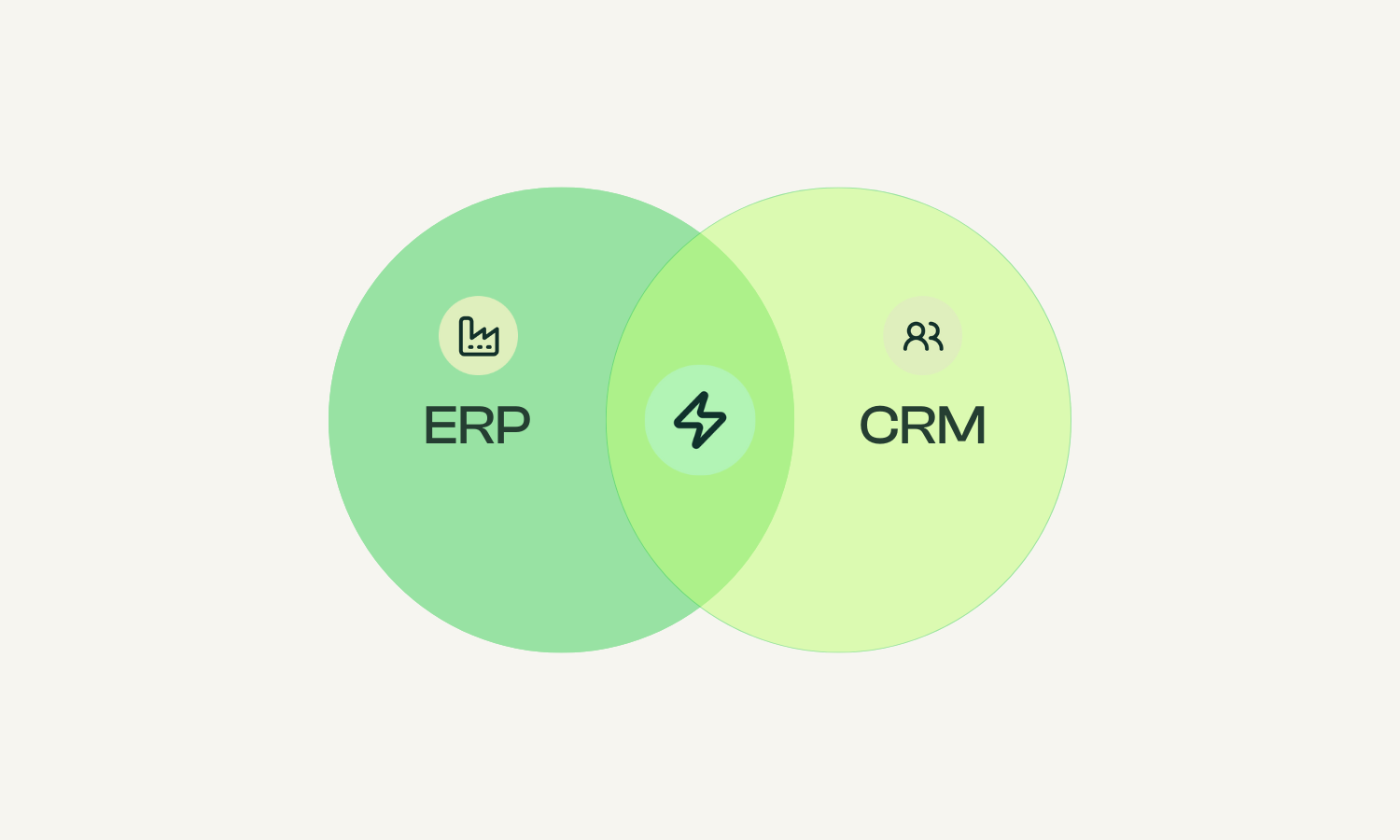
- Integration with billing and the CIS (Customer Information System), avoiding duplicated data and errors between commercial and operational systems.
- Digital signature and document generation, enabling fast and traceable contract closure.
- Advanced analytics, including sales forecasting, segmentation, and profitability by channel or portfolio.
Generic CRM vs Specialized Energy CRM
One of the key decisions is whether to choose a general CRM or one built specifically for energy retailers.
A generic CRM such as Salesforce, HubSpot, or Zoho can be a strong commercial tool in standard industries. They offer large ecosystems, many integrations, and broad flexibility.
However, in an energy retailer, these solutions often require deep customization to support processes such as supply point management, regulated contracting, automated renewals, or direct integration with billing and distributors. This usually leads to long projects, external consulting, and rising costs as operations scale.
A specialized energy CRM, on the other hand, is designed from the start to match the operational reality of an energy supplier. It includes native sector workflows, reduces dependency on custom development, and enables faster deployment and adoption.
Why QUIXOTIC CRM Is One of the Most Complete Solutions
QUIXOTIC is not just a CRM. It is a full energy platform that integrates CRM, contracting, operational automation, and back-office connectivity within a single environment. Key differentiators include:
⮕ Built Specifically for Energy Retailers
QUIXOTIC CRM natively supports sector workflows: energy contracts, supply points, renewals, and advanced commercial management, without forcing generic tools to fit an energy context.
⮕ Automation and Intelligence for Critical Processes
The platform includes intelligent validations and industry-specific automation that detect inconsistencies before they become contracting or billing errors, reducing incidents and manual workload.
⮕ Real Integration with the Energy Ecosystem
QUIXOTIC is designed to integrate through modern APIs with key external systems: billing engines, distributors, ERP platforms, digital channels, and payment gateways, without endless customization projects.
Beyond billing integration, energy CRMs must connect with the regulated ecosystem. This includes queries to systems like SIPS for supply point verification and processes like P0, which are fundamental in technical validation and distributor interactions.
⮕ Advanced Offer and Contract Management
QUIXOTIC enables complex product configuration, document generation, and digital signing within the same platform, accelerating commercial closure.
⮕ Customer Portal and Modern Digital Experience
It includes a self-service portal where end customers can access contracts, consumption, invoices, and communications, improving experience while reducing support workload.
⮕ Modular and Scalable Platform
Beyond CRM, QUIXOTIC can expand into full energy back-office modules, operations, and energy communities, all on the same architecture and database.
Recommended Process to Choose the Right CRM
A practical approach to reduce risk:
- Define clear goals and KPIs
Example: reduce onboarding time, automate renewals, improve conversion rates. - Shortlist 2–4 realistic options
Combine an energy-focused CRM with one adaptable general solution. - Validate before full-scale deployment
In energy, CRM selection is not just about interface: integration, regulatory workflows, and sensitive data matter. Before committing to a full implementation, it’s best to validate progressively.A common approach includes:- Requesting an industry-specific demo with real energy use cases.
- Exploring whether a limited trial environment exists to assess operational fit.
- Starting with a phased pilot (e.g., acquisition and contracting before connecting the full back-office).
- Evaluating the true cost of implementation and scaling, not just feature checklists.
- Decide based on operational adoption, not marketing
Speed, avoided errors, reporting quality, and internal adoption are what truly matter.
Conclusion
A CRM for an energy retailer must be far more than a commercial database. It must connect sales, contracts, billing, customer service, and renewals into a single operational flow. In a highly competitive and regulated sector with tight margins, the advantage lies in automation and full control of the energy customer lifecycle.
Specialized solutions like QUIXOTIC CRM enable retailers to scale smoothly, reduce manual workload, and operate efficiently from day one.
If you want to transform your daily operations and grow your energy business, contact us and schedule a demo: https://www.quixotic.energy/contact-us
FAQs
What is the best CRM for an energy retailer?
The best CRM is one built for the sector, managing not only contacts but also energy contracts, supply points, renewals, commissions, and billing integration. In many cases, a specialized solution like QUIXOTIC provides more value than a generic CRM adaptation.
Can a generic CRM work for an electricity supplier?
It can, but it usually requires costly customization to support processes such as supply point management, regulated contracting, or renewals. The most expensive enterprise option is not always the best fit for energy operations.
What features should an energy CRM include?
It should provide a 360° customer view, supply-based contract management, renewal automation, billing integration, omnichannel support, and commercial analytics.
Why choose a specialized solution like QUIXOTIC?
Because it is designed specifically for energy retailers, integrates complete sector workflows, and allows sales, contracting, and back-office operations to run on one platform.
What is SIPS and why does it matter in an energy CRM?
SIPS is Spain’s official supply point consultation system. A specialized CRM should validate this information to prevent errors in contracting, switching, and renewals.

Omar Sequera: Technology Consultant specialized in Energy



Stay connected to the future of EnergyTech
Subscribe to receive trends, news and our innovative tech articles directly to your inbox
Unsubscribe anytime. (See privacy policy)